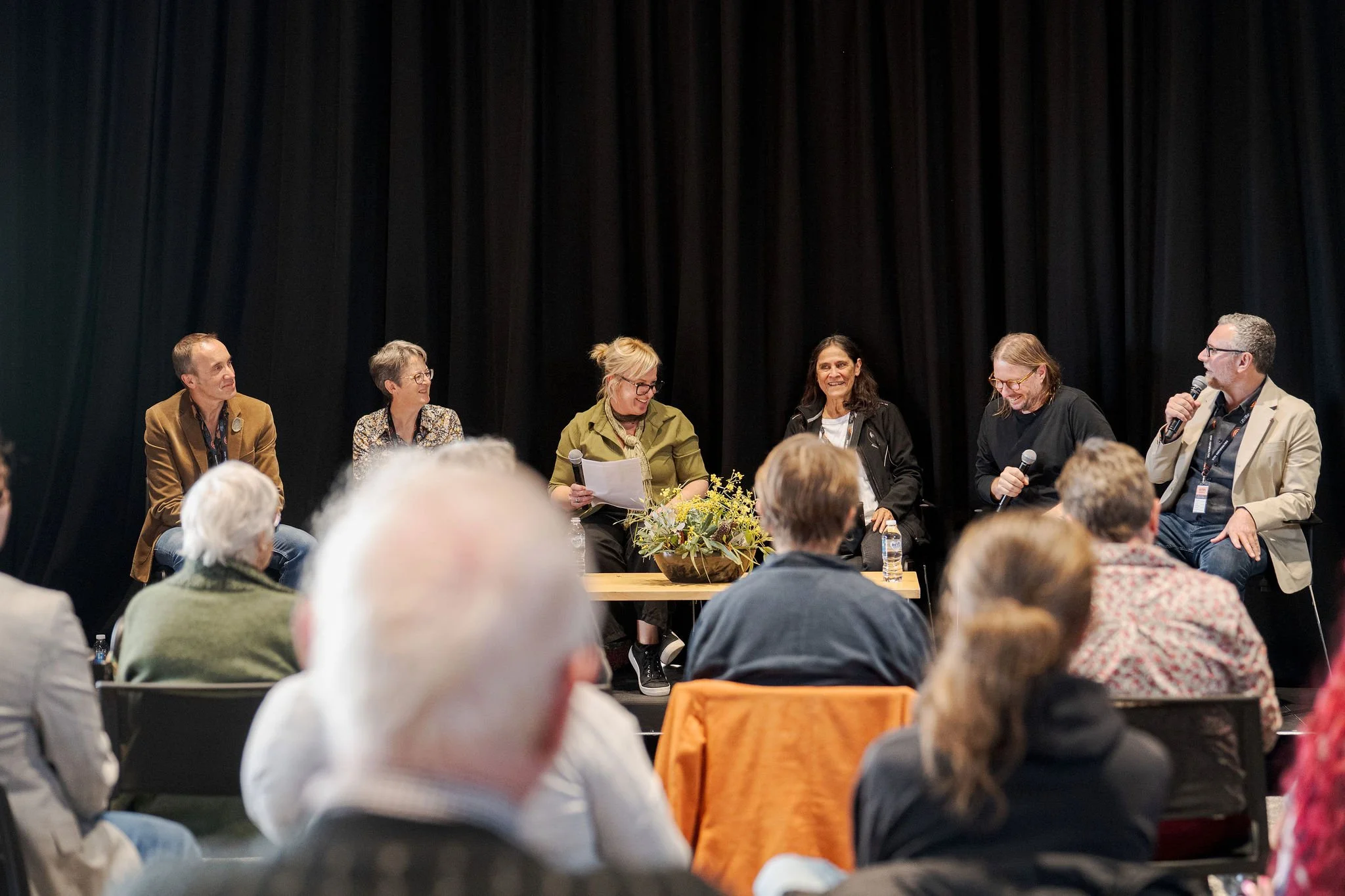
Yitpi Yartapuultiku - Soul of Port Adelaide
A summary of BC’s involvement in the collaborative development of this important space of culture and community.
Written by Greg Grabasch, March 2026.
Summary
Following an invitation from PAE CEO Mark Withers, Brave and Curious (BC) has provided ongoing collaborative cultural support for the Yitpi Yartapuultiku (YY) project — a Kaurna-led cultural centre developed in partnership with local Kaurna Cultural Custodians and the City of Port Adelaide Enfield. BC's role has focused on keeping culture, community voice, and self-determination at the centre of every stage of the project.
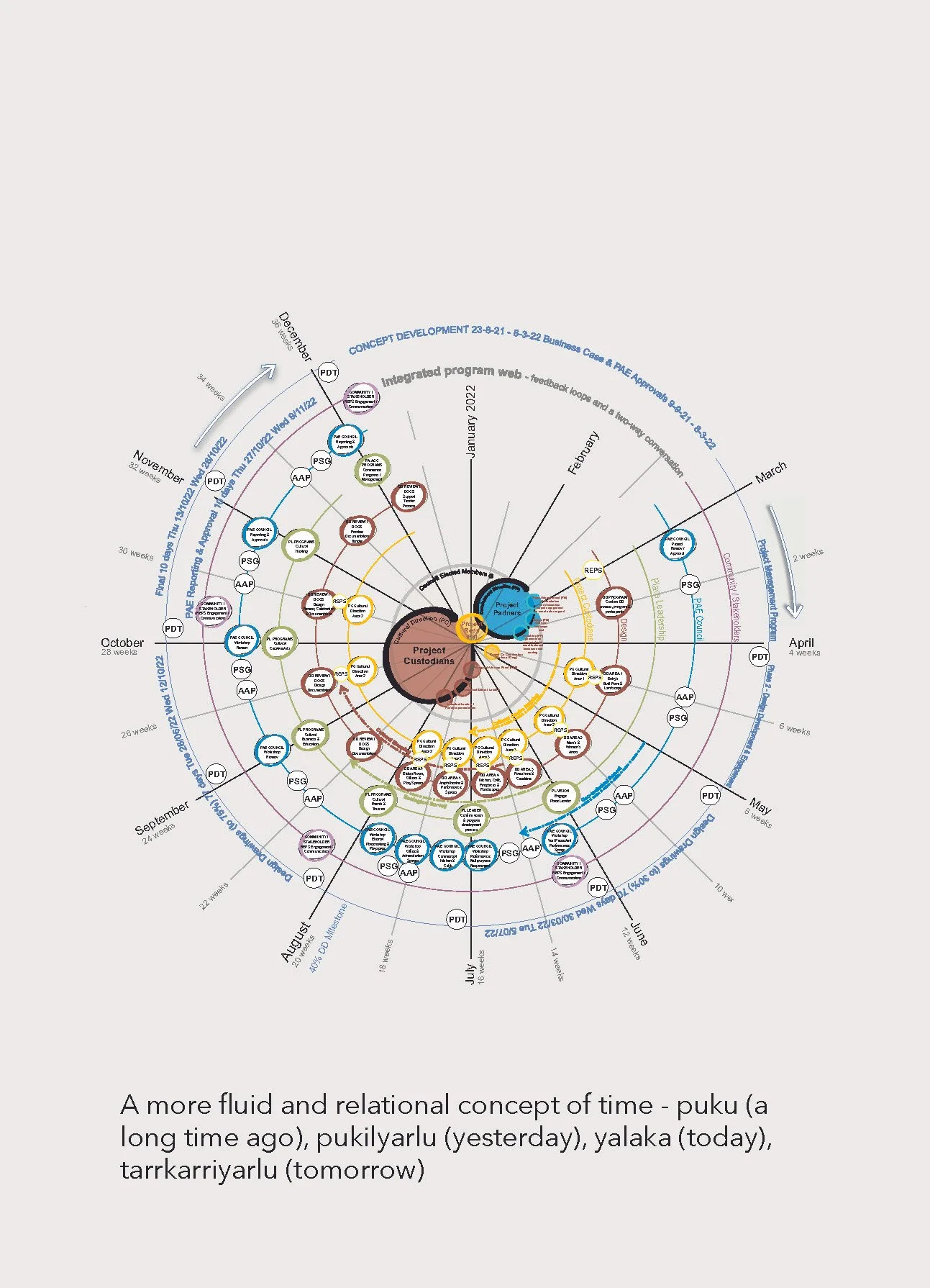
1. YY Cultural Visioning Process
BC, in collaboration with PAE (Rodney Welch and Matthew Rose), facilitated early cultural visioning workshops with Kaurna Elders and community members to establish a shared vision for the centre — before any design decisions were made.
2. YY Cultural Leadership and Governance
BC, in collaboration with PAE (Rodney Welch and Matthew Rose), guided the development of governance protocols and cultural leadership frameworks to support Kaurna-led decision-making — including how the centre would be governed, how Elders and Leaders would hold authority, and how the partnership with Council would be structured respectfully.
3. YY Collaborative Design Process
BC, in collaboration with PAE, Ashley Halliday Architects, WAX Design (Warwick Keates) and Moto Projects (Barry Forrest), facilitated a co-design process bringing together Kaurna community members, Elders and Council partners. Workshops ensured the design reflected Kaurna values, stories and ways of being — not just in appearance, but in how spaces would function and feel.
4. YY Cultural Mapping
BC, in collaboration with Aunty Susan Dixon, co-facilitated cultural mapping to document Kaurna connections to Country across the Port Adelaide area. This work captured stories, significant places and cultural knowledge to inform the centre's design, interpretation and programming — and to support ICIP protections.
5. YY Co-Leadership Framework
BC, in collaboration with PAE (Lee-Ann Buckskin, Pippa Webb and Dionne Collins) and Terri Jenke & Associates (ICIP), co-developed the Yitpi Yartapuultiku Co-Leadership Framework — establishing how Kaurna Cultural Custodians and the City of Port Adelaide Enfield would share leadership of the centre. This included action plans across 19 protocols, community information sheets, and materials for the Aboriginal Advisory Panel, ensuring Kaurna self-determination remained protected throughout.
6. YY Healthy Country Plan
BC, in collaboration with Succession Ecology (Doreen Marchesan) and PAE (Aleisa Lamanna), co-developed the Yitpi Yartapuultiku Healthy Country Plan — integrating Traditional Ecological Knowledge from four Kaurna Elders (Christina Flanagan, Ian Carter, Uncle Lewis O'Brien and Margaret Brodie) with ecological science. The Plan maps cultural landscape values across nine management zones, connecting Country-care to the life of the centre.
Six Cultural Principles
Confirmed by Kaurna community and endorsed by PAE Council — these principles guide all design, programming and operational decisions at Yitpi Yartapuultiku:
1. Culturally Safe - Locally, nationally and internationally recognised as a culturally safe and welcoming place
2. Cultural Immersion - Immersed in First Nations and international cultures through built form, landscape and programs
3. Cultural Practice - Repatriating Elders, family and community gathering, yarning, ceremony and celebration
4, Cultural Learning - Learning through listening, observing and doing — not literal or tokenistic
5. Connection to Country - Trails, songlines, totems and water connections linking to land and culture within and beyond the site
6 - A Place of Healing - Voice, Truth-telling, Treaty, Justice, Ceremony and Walking Together as a shared process
ICIP Protocol
Protocol 1 — Indigenous Cultural and Intellectual Property — sits at the core of the Co-Leadership Framework and is embedded across all 17 operational guidelines. It ensures Aboriginal communities:
· Maintain ownership and control of their cultural and intellectual property
· Are recognised as the primary guardians and interpreters of their culture
· Receive full and proper attribution in all contexts
· Retain the right to maintain secrecy of cultural knowledge and practices
· Hold authority to authorise or refuse commercial use of cultural and intellectual property under Indigenous customary law
ICIP protections apply to all consultants, contractors and service providers engaged at Yitpi Yartapuultiku.
Strategic Alignment
· Closing the Gap — Priority Reform One: formal partnerships and shared decision-making with Aboriginal communities through place-based governance
· National Agreement on Aboriginal and Torres Strait Islander Affairs — partnership, shared decision-making and accountability
· PAE City Vision 2024–34 — 'A welcoming, liveable City — made by people' with principles of equity, belonging, participation, sustainability and transformative practice